
Why Picture Books Matter More Than You Think
Picture books play a vital role in early childhood development, serving as indispensable tools for learning and growth. Research has consistently demonstrated that exposure to picture books significantly enhances language acquisition in children.
Emma Atkins
3/19/20267 min read
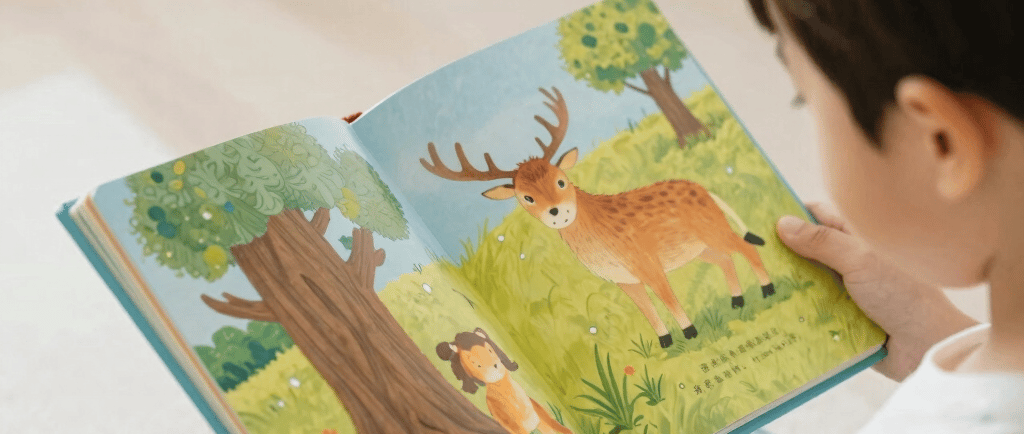
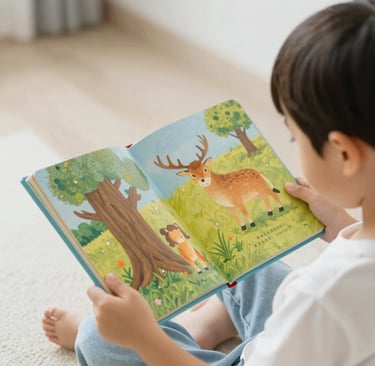
The Importance of Picture Books in Early Childhood Development
Picture books play a vital role in early childhood development, serving as indispensable tools for learning and growth. Research has consistently demonstrated that exposure to picture books significantly enhances language acquisition in children. This exposure facilitates the understanding of vocabulary and phonetics while also stimulating the development of critical cognitive skills. When children engage with picture books, they begin to associate words with images, which helps in the retention of language and concept comprehension.
Statistics suggest that children who are read to regularly exhibit advanced literacy skills compared to their peers who do not engage with books as frequently. According to the National Assessment of Educational Progress (NAEP), children who are read to frequently in their early years score significantly higher in reading comprehension tests. This correlation underscores the significance of picture books in offering children a solid foundation for their future academic achievements.
Moreover, picture books foster social-emotional development by introducing children to various themes such as empathy, cooperation, and diversity. As young readers relate to characters and their experiences, they learn to navigate their own emotions and understand the perspectives of others, forming the basis for healthy social interactions. The act of reading with caregivers also enhances bonding, providing comfort and security, which in turn contributes to their emotional well-being.
In essence, the integration of picture books into a child’s daily routine can facilitate pivotal developmental milestones. Not only do they enrich vocabulary and cognitive skills, but they also nurture emotional growth and social understanding. Hence, picture books are not mere stories; they are instrumental in shaping well-rounded individuals capable of thriving in an increasingly complex world.
Enhancing Comprehension Through Illustrations
Illustrations in picture books play a pivotal role in fostering children's understanding of the accompanying text. These visual elements act as a bridge between the narrative and the young reader, enhancing overall comprehension through visual literacy. Visual literacy, the ability to interpret and understand information presented in visual forms, is integral to children’s development as it complements and enriches the text, making it more engaging and accessible.
For instance, when children encounter characters in brightly illustrated settings, they are not merely reading words; they are immersed in a rich context that aids their understanding. An effective picture book often uses illustrations to depict emotions, actions, and environments that the text describes, thereby creating a comprehensive experience. For example, a scene depicting a storm may illustrate dark clouds and raindrops, while the text narrates the character's feelings of fear and anxiety. This visual representation ensures that readers can connect emotionally and cognitively to the story.
Moreover, illustrations can help clarify complex concepts that may be difficult to convey through text alone. In stories that address themes of friendship, diversity, or conflict resolution, illustrations serve as visual cues that provide insight into the characters' interactions and motivations. A child might identify with a character who looks different from them, thanks to the inclusive imagery that normalizes diversity and encourages empathy.
Additionally, illustrations in picture books can stimulate imaginative thinking, allowing children to visualize scenarios beyond the text. This imaginative engagement supports comprehension, as children are more likely to remember stories that they can visualize and relate to. Overall, illustrations not only entertain but also are critical tools in helping young readers grasp concepts and narratives more effectively.
Fostering Empathy and Emotional Intelligence
Picture books serve as a powerful medium through which children can explore emotions and social situations different from their own. By introducing relatable characters and vivid scenarios, these stories create opportunities for young readers to engage with diverse perspectives. As children follow the journeys of various characters, they encounter situations that challenge and broaden their understanding, ultimately fostering empathy and emotional intelligence.
Research indicates that children who read picture books often develop a heightened ability to recognize and express emotions. A study published in the journal Psychology in the Schools found that children who actively engaged with stories that illustrate emotional situations demonstrated significant improvements in empathic concern and emotional regulation. Picture books that feature characters overcoming challenges or experiencing loss allow children to identify with these feelings and reflect on their own emotional responses.
Moreover, as children analyze characters' decisions and motivations, they are encouraged to consider what they would do in similar situations. For example, books that depict themes of friendship and conflict resolution can guide children in navigating their own social interactions. This process of perspective-taking is essential for developing emotional intelligence, enabling children to not only articulate their emotions but also respond effectively to the emotions of others.
Anecdotes from educators underscore the impact of picture books in the classroom. One teacher noted a marked increase in student discussions about feelings and relationships following the introduction of a picture book focusing on a character who felt different. This dialogue provided a safe space for children to express their concerns and develop an understanding of inclusivity. Through these dynamic interactions, picture books cultivate an emotional richness that plays a foundational role in a child's social development.
Stimulating Creativity and Imagination
Picture books play an essential role in fostering creativity and imagination among young readers. These literary works often feature imaginative scenarios and vibrant illustrations that capture children’s curiosity, inviting them to explore new ideas and worlds. The integration of text and imagery encourages children to engage in creative thinking, allowing them to interpret and visualize stories in unique ways.
The whimsical nature of picture books stimulates the mind, promoting artistic expression through various forms. As children encounter fantastical characters and situations, they are not only entertained but also inspired to create their own narratives. This process of storytelling is critical for cognitive development, as it allows children to experiment with language, structure, and their imaginative capabilities. By engaging with the narratives found in picture books, young readers learn to express their thoughts and feelings through creative mediums.
Furthermore, the artistic elements present in picture books enhance visual literacy, an important skill in today's image-saturated society. Observing different artistic styles and techniques sharpens children's ability to interpret visual cues, understand symbolism, and appreciate aesthetics. As they process the relationship between text and illustrations, they develop a more nuanced understanding of communication, which is fundamental for both academic and personal growth.
In summary, picture books stand as a vital tool for nurturing creativity and imagination in children. They provide a foundation for storytelling, encourage artistic exploration, and enhance visual literacy. The benefits of engaging with these works extend beyond entertainment, playing a significant role in promoting holistic development in young minds.
Choosing the Right Picture Books for Different Ages
When it comes to selecting picture books for children, understanding their developmental stages is crucial. Each age group has unique needs and interests that can be satisfied through well-chosen literature. Picture books play a significant role in fostering early literacy skills, emotional intelligence, and cognitive growth. To maximize these benefits, it is essential to choose age-appropriate books that resonate with children at various stages of their development.
For infants and toddlers (ages 0-2), prioritizing sturdy board books with vibrant illustrations and simple text is advisable. These books often feature basic concepts like colors, shapes, and animals, establishing an early connection to language. Titles such as "Goodnight Moon" by Margaret Wise Brown and "Brown Bear, Brown Bear, What Do You See?" by Bill Martin Jr. are not only classics, but they also encourage engagement through rhythmic patterns and repetition.
As children transition into preschool years (ages 3-5), they begin to grasp more complex narratives and varied themes. Picture books during this stage should feature relatable characters and engaging storylines that reflect their experiences. Works like "The Very Hungry Caterpillar" by Eric Carle and "Where the Wild Things Are" by Maurice Sendak are excellent examples. These titles promote imaginative thinking and can also facilitate discussions about emotions and problem-solving.
For early elementary-age children (ages 6-8), picture books can start to incorporate more in-depth storylines alongside sophisticated vocabulary. This age group benefits from books that challenge them while igniting their creativity. "The Paper Bag Princess" by Robert Munsch and "I Want My Hat Back" by Jon Klassen are notable recommendations that balance humor with moral lessons.
In conclusion, tracking the developmental stages and interests of children will aid immensely in selecting picture books that not only entertain but also educate. By providing age-appropriate literature, parents and educators can significantly contribute to a child's growth and development through the art of storytelling.
Incorporating Picture Books into Daily Routines
Integrating picture books into daily routines can significantly enhance the reading experiences of both children and adults, reinforcing the joy of storytelling and connection. One effective method is to establish a dedicated reading time at home. This could occur during breakfast, bedtime, or any other consistent moment where family members can gather. By choosing picture books that resonate with the interests of the child, families can foster a love of reading while simultaneously instilling important life lessons. For instance, selecting stories that highlight values such as friendship and empathy encourages children to reflect on their interactions with peers.
During commutes, whether by car, public transport, or even walking, incorporating picture books can transform what might be mundane travel time into an enriching experience. Parents can opt for audio versions of picture books or bring along illustrated books suitable for older children to explore together. Engaging in discussions about the characters and plot can turn these moments into opportunities for critical thinking and expression.
In educational settings, teachers can leverage picture books to complement lessons across various subjects. By aligning book themes with current learning topics, educators can create immersive experiences. Picture books can be used as tools for introducing complex ideas in an accessible manner, allowing students to visualize concepts in a relatable format. Moreover, group reading sessions can enhance social skills, as children learn to articulate their thoughts and listen to others.
Incorporating picture books into everyday life should focus on cultivating an engaging atmosphere where reading becomes a shared joy. This consistent interaction with stories not only strengthens emotional bonds but also lays a solid foundation for lifelong literacy and learning. By embracing picture books in daily activities, families and educators can ensure that the love for reading flourishes.
Conclusion: The Lasting Impact of Picture Books
In reflecting upon the importance of picture books, it becomes clear that their role extends far beyond mere entertainment. Picture books serve as foundational tools that foster language development, enhance cognitive skills, and ignite imagination in children. Through vibrant illustrations and engaging narratives, these books not only captivate young minds but also lay the groundwork for a life-long love of reading.
Throughout this discussion, we have explored various dimensions of how picture books contribute to a child's growth. They encourage social-emotional learning as children navigate the experiences of different characters, fostering empathy and understanding. Moreover, picture books serve as effective mediums for discussing complex themes such as diversity, inclusion, and family dynamics, making them versatile educational resources in the hands of caregivers and educators.
In addition to their developmental benefits, the accessibility of picture books means that they can be enjoyed by children from varied backgrounds, regardless of language proficiency. This universality not only bridges communication gaps but also celebrates linguistic diversity, enriching a child's exposure to multiple cultures. As such, advocating for the inclusion of picture books in early childhood education is imperative, ensuring that every child has the opportunity to benefit from this rich literary resource.
In conclusion, the advocacy for picture books should remain a priority as their positive impacts ripple through children’s lives, fostering literacy, creativity, and emotional intelligence that last into adulthood. By recognizing the significance of picture books, we champion a vital tool that supports holistic development and nurtures an engaged, curious generation of learners.
View my current children's books HERE
All My Social Channels
Copyright © Emma Atkins 2026. All rights reserved.